Small Backyard Chicken Run Plan
Uitgelicht onder: Huiselijke Topgerechten
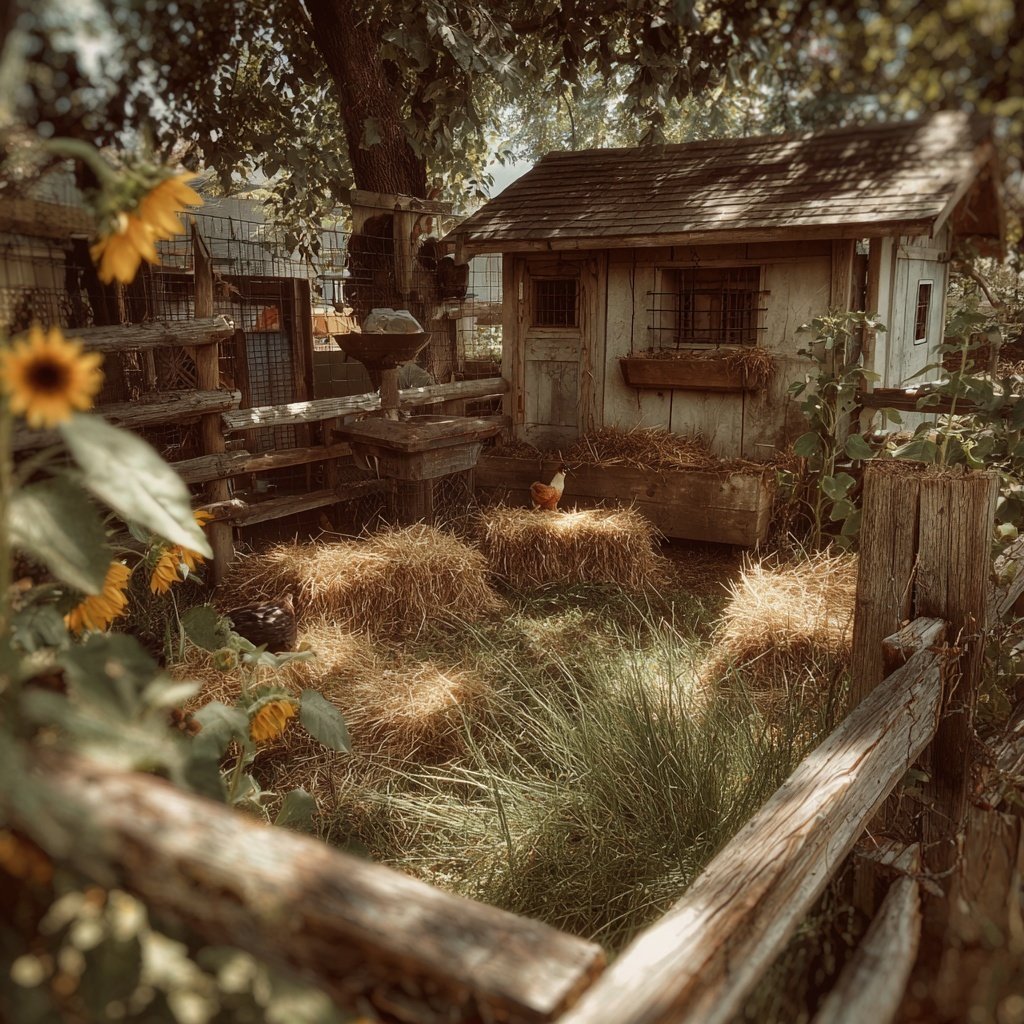
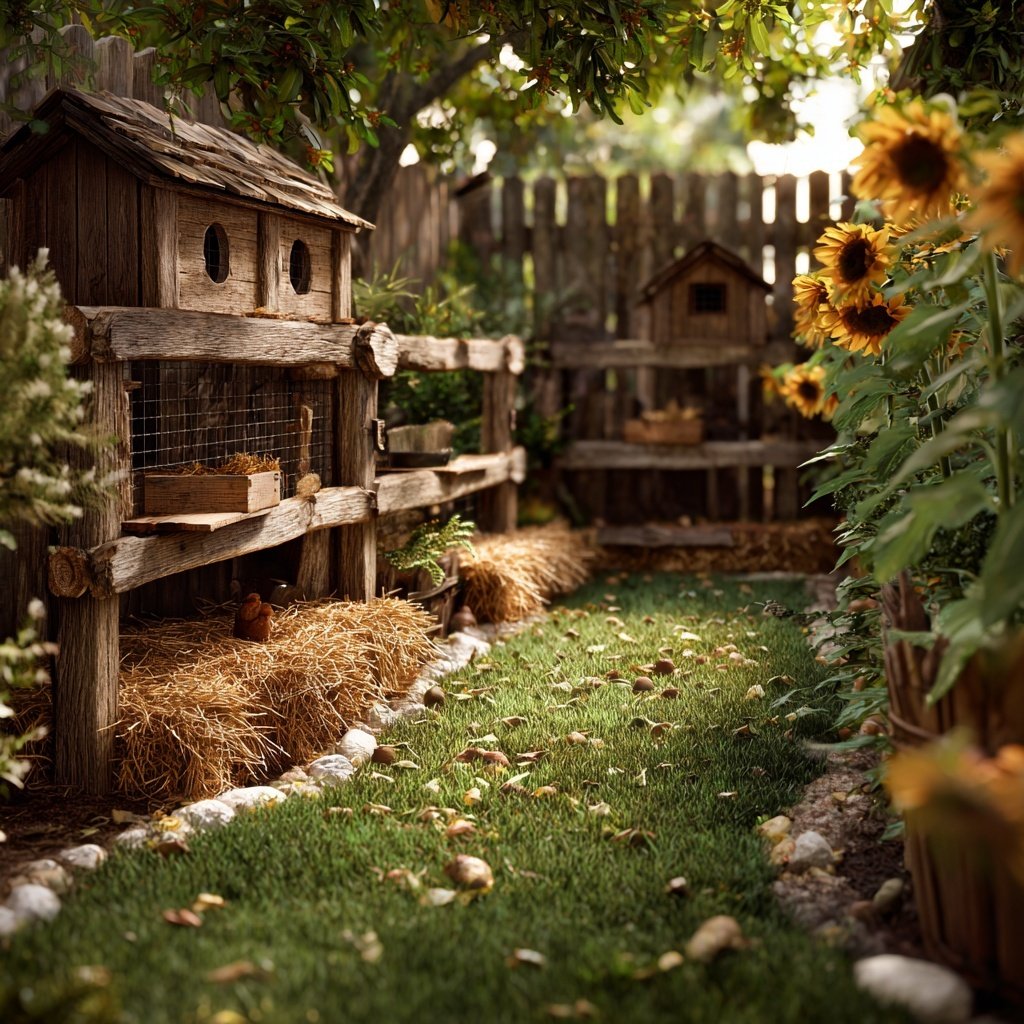
I often find joy in creating environments that invite nature and nurture my love for animals. This Small Backyard Chicken Run Plan is not just about providing a cozy home for your chickens; it's a thoughtful approach to integrate them into your backyard. By crafting a secure and spacious run, I’ve witnessed how happy and healthy they become, allowing me to enjoy fresh eggs while giving them a beautiful space to roam. Join me as I detail how we can turn a small area into a thriving chicken paradise.
When I first decided to build a chicken run, I underestimated how much joy it would bring me and my little flock. After researching various designs, I learned that a thoughtful layout not only keeps my chickens safe from predators but also provides them with enough space to scratch, nest, and roam. I was thrilled to see my chickens flourish in their new environment, enjoying every moment outdoors.
This plan incorporates elements like shading and natural enrichment, which are crucial for their well-being. By using sustainable materials and ensuring easy access for me, I created an efficient system for daily care and maintenance. I highly recommend these features for a harmonious backyard!
Why You'll Love This Chicken Run Plan
- Enhances your backyard aesthetic while providing a functional space.
- Promotes chicken health with ample space and natural light.
- Encourages bonding with your chickens while enjoying fresh eggs.
The Importance of Space for Chickens
Providing ample space in your chicken run is crucial for the birds' well-being. Chickens require room to move around freely, engage in natural behaviors, and establish their pecking order. A run that measures at least 10 square feet per bird is recommended to keep them healthy and reduce stress. When designing your run, consider how you can maximize this space without compromising safety or access to shade.
Natural light plays a vital role in the health of your chickens. Sunlight helps them synthesize vitamin D, which is essential for calcium absorption and healthy eggs. Positioning your chicken run in a spot that receives morning sunlight will also encourage early activity. Remember to provide shaded areas, especially during the hotter months, to prevent overheating.
Choosing the Right Materials
Selecting durable materials is key for constructing a long-lasting chicken run. Treat the wood frame with a non-toxic sealant to protect it against moisture and pests. For the wire mesh, opt for a gauge strong enough to deter potential predators like raccoons or hawks. A mesh with small openings (1 inch or less) is effective in preventing access to hungry attackers while still allowing ventilation.
While nesting boxes are essential for hen comfort, their placement and design matter greatly. Each box should be around one cubic foot to accommodate a hen comfortably. Make sure they are positioned away from high-traffic areas to provide a sense of privacy, encouraging your hens to use them regularly. Adding bedding such as straw or sawdust will help create a cozy environment for egg-laying.
Final Checks for Safety and Comfort
Before welcoming your chickens to their new abode, it’s crucial to conduct safety checks. Inspect all joints and edges to ensure there are no sharp points that could injure your birds. I recommend running your hands along all surfaces to feel for any potential hazards. If you find any issues, make repairs or add protective coverings accordingly.
Consideration for comfort also goes beyond the initial structure. Chickens appreciate variations in terrain; adding items like logs or branches will encourage natural behaviors like scratching and perching. Additionally, think about the accessibility of food and water. Make sure the feeding containers are easy to refill and that water is always available, especially during the hotter days when hydration is critical.
Ingrediënten
Materials Needed:
Materials
- Wood for the frame
- Wire mesh
- Roofing material
- Nesting boxes
- Feeding containers
- Waterer
- Chicken feed
Gather these materials before starting your project for a smoother construction process.
Bereidingswijze
Building Steps:
Design the Plan
Sketch a layout of the chicken run, ensuring it includes sheltered areas and space for nesting boxes.
Gather Materials
Collect all necessary materials as listed above to ensure you have everything on hand for construction.
Construct the Frame
Build the basic structure using wood, ensuring it is sturdy enough to withstand weather and potential predators.
Attach Wire Mesh
Cover the frame with wire mesh securely, leaving no gaps for predators to enter.
Add Roof and Features
Install the roofing to protect your chickens from the elements and add nesting boxes and feeding containers.
Test and Finalize
Before introducing your chickens, check the structure for any sharp edges and ensure safety.
These steps will guide you through building a secure and functional chicken run that will keep your chickens happy!
Professionele Tips
- Remember to allow for proper ventilation and shade within your chicken run to enhance comfort for your chickens.
Long-Term Maintenance Tips
Regular maintenance of your chicken run is essential for keeping your flock healthy and happy. Schedule weekly checks for wear and tear, especially on the wire mesh and wood frame. Look for signs of gnawing or rust, and be prepared to replace any damaged materials promptly. This preventive approach will help avoid costly repairs later on due to negligence.
Cleaning the run regularly is also crucial in preventing illness among your chickens. Aim to clean out old bedding and droppings at least once a week. Consider using a shovel and rake for easy maintenance. A clean environment not only keeps your chickens healthy but also minimizes unpleasant odors in your backyard.
Customizing Your Chicken Run
Personalizing your chicken run is a fun way to make your backyard oasis unique. Consider planting edible herbs or vegetables along the perimeter that your chickens can nibble on, such as basil or lettuce. They provide additional nutrients while making the environment more visually appealing and natural.
Another element to consider is adding enrichment features like dust baths or foraging areas. Chickens naturally love to dig and scratch, so incorporating a designated dust bathing area with fine dirt or sand can promote their health and happiness. Using logs or rocks for perches can enrich their environment and give them places to rest.
Vragen Over Recepten
→ How much space do I need for each chicken?
A general rule is to provide at least 10 square feet of outdoor space per chicken to ensure they have enough room to roam.
→ What materials are best to use for the run?
Using treated wood for the frame and galvanized wire mesh ensures durability and safety against predators.
→ Can I keep the run attached to the chicken coop?
Absolutely! This is often the most convenient setup as it allows easy access for feeding and collecting eggs.
→ How often should I clean the chicken run?
It is recommended to clean the run at least once a week to maintain hygiene and the health of your chickens.
Small Backyard Chicken Run Plan
Gemaakt door: Selene Woodward
Recepttype: Huiselijke Topgerechten
Vaardigheidsniveau: Intermediate
Eindportie: 1
Wat je Nodig Hebt
Materials
- Wood for the frame
- Wire mesh
- Roofing material
- Nesting boxes
- Feeding containers
- Waterer
- Chicken feed
Stappen
Sketch a layout of the chicken run, ensuring it includes sheltered areas and space for nesting boxes.
Collect all necessary materials as listed above to ensure you have everything on hand for construction.
Build the basic structure using wood, ensuring it is sturdy enough to withstand weather and potential predators.
Cover the frame with wire mesh securely, leaving no gaps for predators to enter.
Install the roofing to protect your chickens from the elements and add nesting boxes and feeding containers.
Before introducing your chickens, check the structure for any sharp edges and ensure safety.
Extra Tips
- Remember to allow for proper ventilation and shade within your chicken run to enhance comfort for your chickens.