Korean Bibimbap
Uitgelicht onder: Wereldse Favorieten
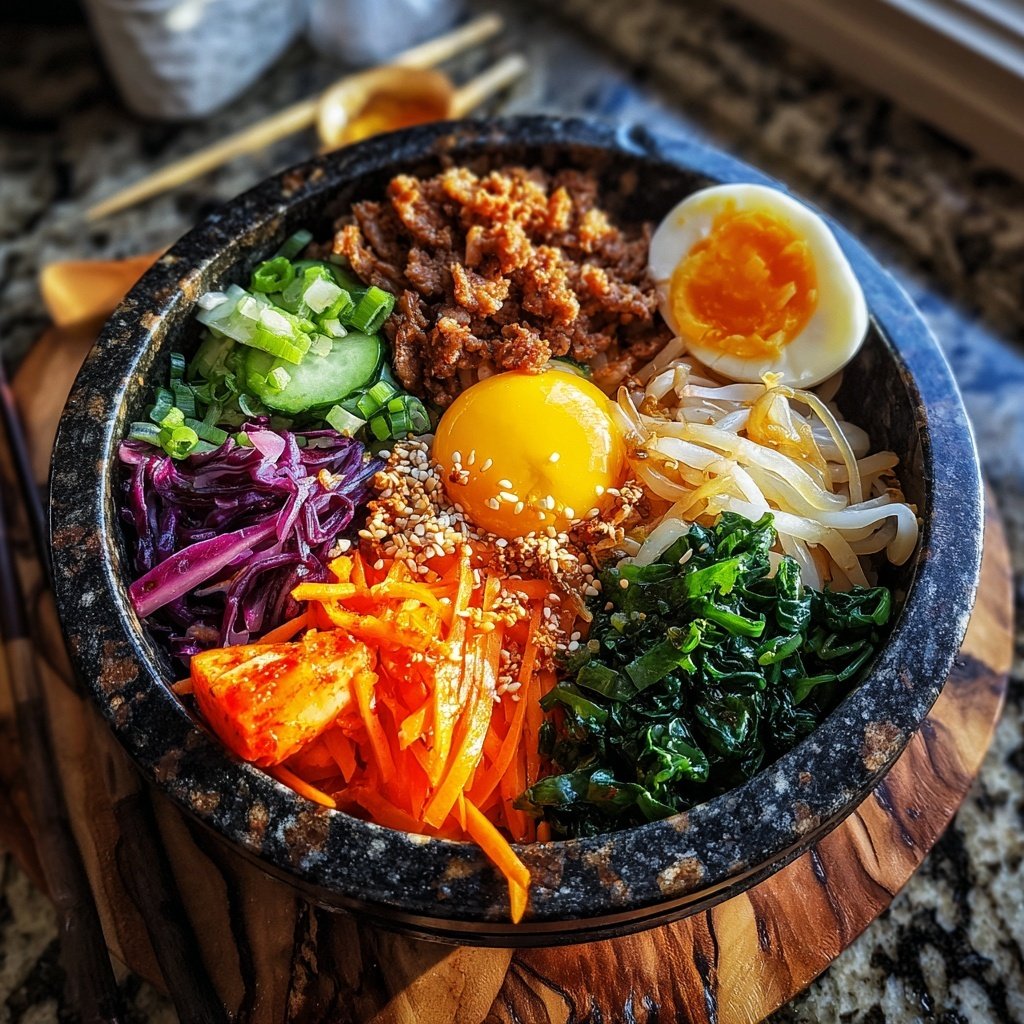
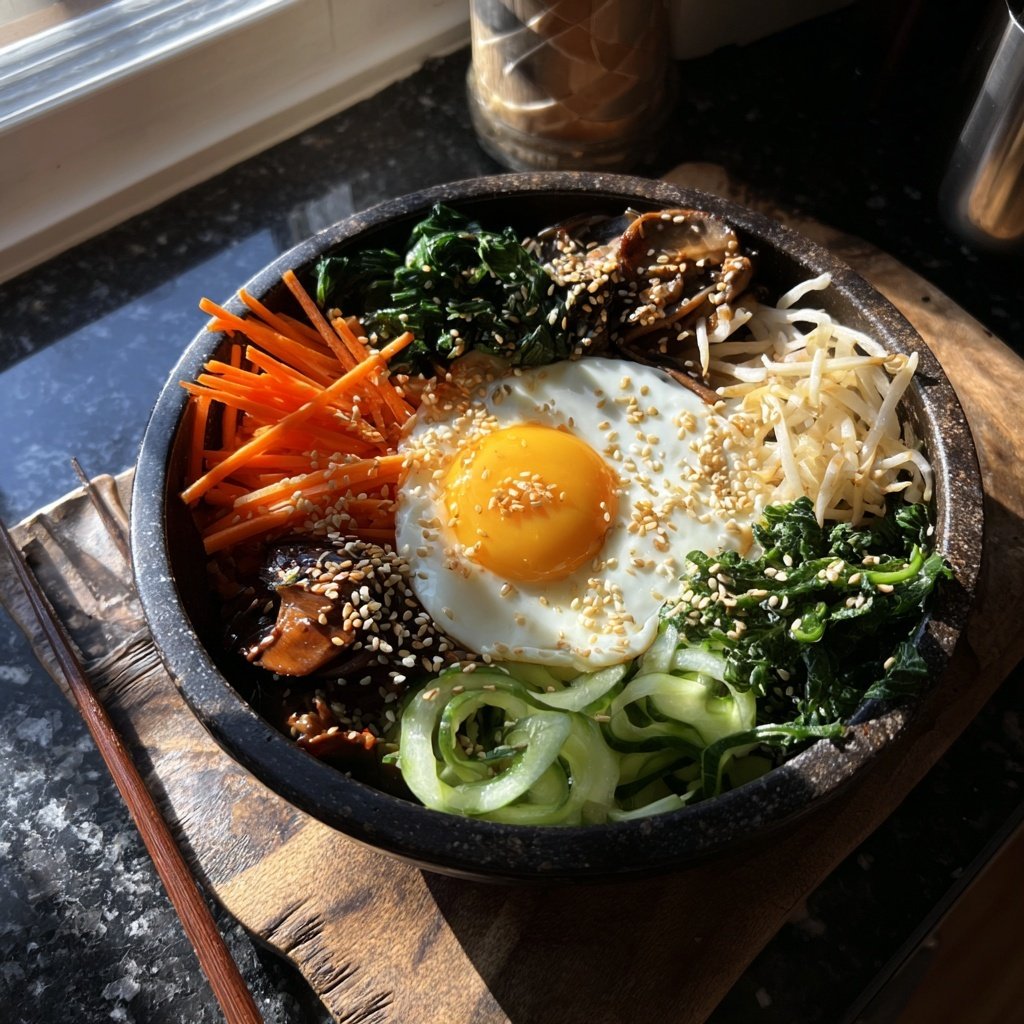
Experience the vibrant flavors of Korea with this delicious Bibimbap, a mixed rice dish topped with a variety of vegetables, meat, and a fried egg.
Korean Bibimbap is not just a meal; it's a colorful experience. This dish brings together a medley of textures and flavors, making each bite a delightful surprise. Originating from Korea, Bibimbap means 'mixed rice', and it's often served in a hot stone bowl for an extra crispy texture. Enjoy this healthy and satisfying dish with your family and friends!
Why You'll Love This Recipe
- A beautiful presentation with vibrant colors and textures
- Nutritious and packed with fresh vegetables
- Customizable with your choice of protein and toppings
The Essence of Bibimbap
Bibimbap, which translates to 'mixed rice,' is a quintessential Korean dish that brings together a harmonious blend of flavors and textures. Each ingredient plays a critical role in contributing to the overall experience, making it not just a meal but a celebration of culinary artistry. The vibrant colors of the vegetables and the savory notes of the meat are beautifully showcased, appealing to both the eyes and the palate.
Traditionally, Bibimbap is served in a hot stone bowl, which creates a delightful crispy layer of rice at the bottom. However, this recipe offers a simplified version that can be prepared easily at home without compromising on taste. Whether enjoyed for lunch or dinner, Bibimbap is a dish that satisfies both hunger and cravings for something exciting.
Health Benefits
This dish is not only a feast for the eyes but also a powerhouse of nutrition. Packed with an array of fresh vegetables such as spinach, carrots, and zucchini, Bibimbap offers essential vitamins and minerals that support overall health. The inclusion of protein, whether from ground beef or tofu, ensures a balanced meal that keeps you full and energized.
Moreover, the use of gochujang adds a spicy kick while also providing health benefits, including antioxidants and anti-inflammatory properties. By customizing your Bibimbap with seasonal vegetables, you can further enhance its nutritional profile, making it a versatile dish that aligns with various dietary preferences.
Customizing Your Bibimbap
One of the most appealing aspects of Bibimbap is its versatility. You can easily customize it based on your dietary needs or preferences. For a vegetarian version, simply replace the ground beef with tofu or tempeh, and feel free to experiment with different vegetables. Sweet potatoes, bell peppers, or even kimchi can add exciting flavors and textures.
If you're a fan of spicy food, consider adding more gochujang or garnishing with sliced fresh chili peppers for an extra kick. Additionally, you can swap out the sesame oil for other oils, such as olive or avocado oil, to suit your taste. The possibilities are endless, making Bibimbap a fun dish to personalize for every occasion.
Ingredients
For the Bibimbap
- 2 cups cooked white rice
- 1 cup spinach, blanched
- 1 cup bean sprouts, blanched
- 1 carrot, julienned
- 1 zucchini, julienned
- 1 cup shiitake mushrooms, sliced
- 1 cup ground beef (or tofu for a vegetarian option)
- 4 eggs
- 2 tablespoons gochujang (Korean chili paste)
- 2 tablespoons sesame oil
- Sesame seeds for garnish
- Salt to taste
Feel free to substitute any vegetables or proteins based on your preferences!
Preparation Steps
Prepare the Vegetables
In a pan, sauté the mushrooms, zucchini, and carrots separately in sesame oil until tender. Season with salt to taste. Set aside.
Cook the Beef
In the same pan, cook the ground beef over medium heat until fully cooked. Drain excess fat and season with salt. Set aside.
Fry the Eggs
In another pan, fry the eggs sunny-side up until the whites are set but the yolks are still runny.
Assemble the Bibimbap
In a large bowl, place a serving of rice and arrange the sautéed vegetables, beef, and blanched spinach and bean sprouts on top. Add a fried egg in the center and drizzle with gochujang and sesame oil. Garnish with sesame seeds.
Serve
Mix everything together before eating and enjoy your homemade Korean Bibimbap!
For an authentic experience, serve in a hot stone bowl!
Professionele Tips
- Experiment with different vegetables and proteins to suit your taste. Adding kimchi can enhance the flavor!
Tips for Perfect Bibimbap
To achieve the best texture in your Bibimbap, ensure that your rice is cooked perfectly—fluffy and slightly sticky. Using short-grain rice is ideal, as it adheres well and captures the flavors of the dish. Additionally, letting the vegetables cool slightly after sautéing helps maintain their vibrant colors and crunchiness.
When frying the eggs, try to keep the yolks runny for that rich, creamy texture. If you prefer a fully cooked yolk, feel free to cook them longer. Remember, the beauty of Bibimbap lies in its presentation, so take a moment to arrange your ingredients artfully in the bowl before serving.
Serving Suggestions
Bibimbap is perfect as a standalone meal, but it also pairs wonderfully with other Korean dishes. Serve it alongside a refreshing cucumber salad or a bowl of miso soup for a complete dining experience. For those who enjoy a little crunch, pickled vegetables can complement the flavors beautifully.
To elevate your meal, consider serving your Bibimbap with a side of Korean fried chicken or dumplings. These additions provide a delightful contrast to the fresh and vibrant nature of the Bibimbap, creating a well-rounded feast that will impress your family and friends.
Vragen Over Recepten
→ Can I make Bibimbap vegetarian?
Yes! Simply substitute the beef with tofu or additional vegetables.
→ What other toppings can I add?
You can add kimchi, pickled vegetables, or any other preferred toppings.
→ Can I prepare the ingredients ahead of time?
Absolutely! You can pre-cook the vegetables and meat and store them in the fridge for a quick assembly later.
→ What is gochujang?
Gochujang is a Korean chili paste made from red chili powder, glutinous rice, fermented soybeans, and salt. It adds a spicy and slightly sweet flavor.
Korean Bibimbap
Gemaakt door: Selene Woodward
Recepttype: Wereldse Favorieten
Vaardigheidsniveau: Intermediate
Eindportie: Serves 4
Wat je Nodig Hebt
For the Bibimbap
- 2 cups cooked white rice
- 1 cup spinach, blanched
- 1 cup bean sprouts, blanched
- 1 carrot, julienned
- 1 zucchini, julienned
- 1 cup shiitake mushrooms, sliced
- 1 cup ground beef (or tofu for a vegetarian option)
- 4 eggs
- 2 tablespoons gochujang (Korean chili paste)
- 2 tablespoons sesame oil
- Sesame seeds for garnish
- Salt to taste
Stappen
In a pan, sauté the mushrooms, zucchini, and carrots separately in sesame oil until tender. Season with salt to taste. Set aside.
In the same pan, cook the ground beef over medium heat until fully cooked. Drain excess fat and season with salt. Set aside.
In another pan, fry the eggs sunny-side up until the whites are set but the yolks are still runny.
In a large bowl, place a serving of rice and arrange the sautéed vegetables, beef, and blanched spinach and bean sprouts on top. Add a fried egg in the center and drizzle with gochujang and sesame oil. Garnish with sesame seeds.
Mix everything together before eating and enjoy your homemade Korean Bibimbap!
Extra Tips
- Experiment with different vegetables and proteins to suit your taste. Adding kimchi can enhance the flavor!
Voedingswaarde (Per Portie)
- Calories: 500 kcal
- Total Fat: 20g
- Saturated Fat: 5g
- Cholesterol: 210mg
- Sodium: 600mg
- Total Carbohydrates: 68g
- Dietary Fiber: 5g
- Sugars: 4g
- Protein: 20g