Dairy-Free Banana Bread Recipe
Dairy-Free Banana Bread Recipe
Key Ingredients and How They Shape the Loaf
Very ripe bananas are the backbone of this dairy-free banana bread, providing both sweetness and moisture so you can reduce added sugar and skip butter entirely. Choose bananas with plenty of brown spots; they mash easily and blend smoothly into the batter, preventing dry or crumbly slices. If your bananas are only lightly speckled, you may find the bread less fragrant and slightly firmer, so increase mash time to a silky consistency to help compensate.
The fat in this recipe comes from a neutral oil or a mild-tasting dairy-free butter alternative. Oil keeps the crumb tender even after a day or two, unlike some solid fats that can firm up when cooled. Using a light-tasting oil, such as sunflower or canola, allows the banana flavor to shine. If you prefer coconut oil, use refined coconut oil to avoid an overpowering coconut aroma and ensure the bread still tastes primarily of banana.
The flour and leavening balance are tuned to support the high moisture from bananas without collapsing the loaf. All-purpose flour provides enough structure so the bread slices cleanly, while baking powder and baking soda team up to lift the heavier banana batter. The soda reacts with the natural acidity in the bananas, helping the loaf rise and brown deeply. Overpacking the flour can make it dense, so lightly spoon it into the measuring cup and level it off rather than scooping.
Technique Tips for Mixing and Baking
How you combine the wet and dry ingredients greatly affects the texture of this banana bread. Start by whisking the dry ingredients thoroughly so the leaveners are evenly dispersed; this prevents pockets of baking soda that can create bitter bites. When you fold the dry mixture into the banana mixture, stop as soon as you no longer see streaks of flour. Overmixing at this stage develops gluten, leading to a tough, rubbery loaf instead of a tender crumb.
Baking this dairy-free banana bread at a moderate oven temperature—typically around 350°F (175°C)—allows the center to cook through without the edges drying out. Place the loaf pan on the center rack so heat circulates evenly. If the top is browning quickly while the middle is still wet, tent the loaf loosely with foil for the last 15–20 minutes. The bread is done when a toothpick inserted in the center comes out with just a few moist crumbs, not wet batter.
Pan preparation is essential to keep this moist bread from sticking. Lightly greasing your loaf pan and then lining it with parchment paper, leaving an overhang on the long sides, creates handles you can use to lift the bread out cleanly. This is especially helpful because the dairy-free crumb stays quite soft when warm. I like to cool the loaf in the pan for about 10–15 minutes, then transfer it to a rack so the bottom doesn’t steam and turn soggy.
Variations, Swaps, and Add-Ins
This recipe is easy to adapt to different sweeteners and flavor profiles without losing its reliable texture. You can swap granulated sugar for light brown sugar to emphasize caramel notes and create a slightly more tender crumb due to the added molasses. For a less-sweet loaf, reduce the sugar by up to one-third; the bananas will still provide natural sweetness, and the structure will remain stable as long as you keep the fat and flour amounts the same.
For a heartier version, you can replace up to half of the all-purpose flour with whole wheat flour or a 1:1 gluten-free baking blend. Whole wheat will darken the loaf and add a nutty flavor, but it also absorbs more moisture, so consider adding 1–2 extra tablespoons of mashed banana if the batter seems very thick. With gluten-free flour, avoid overbaking; check for doneness at the early end of the suggested time to keep the crumb from drying out.
Add-ins like dairy-free chocolate chips, chopped nuts, or shredded coconut work well in this batter because the bananas help suspend heavier pieces instead of letting them all sink. Fold them in gently at the very end of mixing, just until dispersed. If using nuts, toasting them lightly beforehand intensifies their flavor and keeps them crunchy in the moist crumb. Keep the total volume of add-ins to about 1 cup so the loaf rises evenly and slices without crumbling apart.
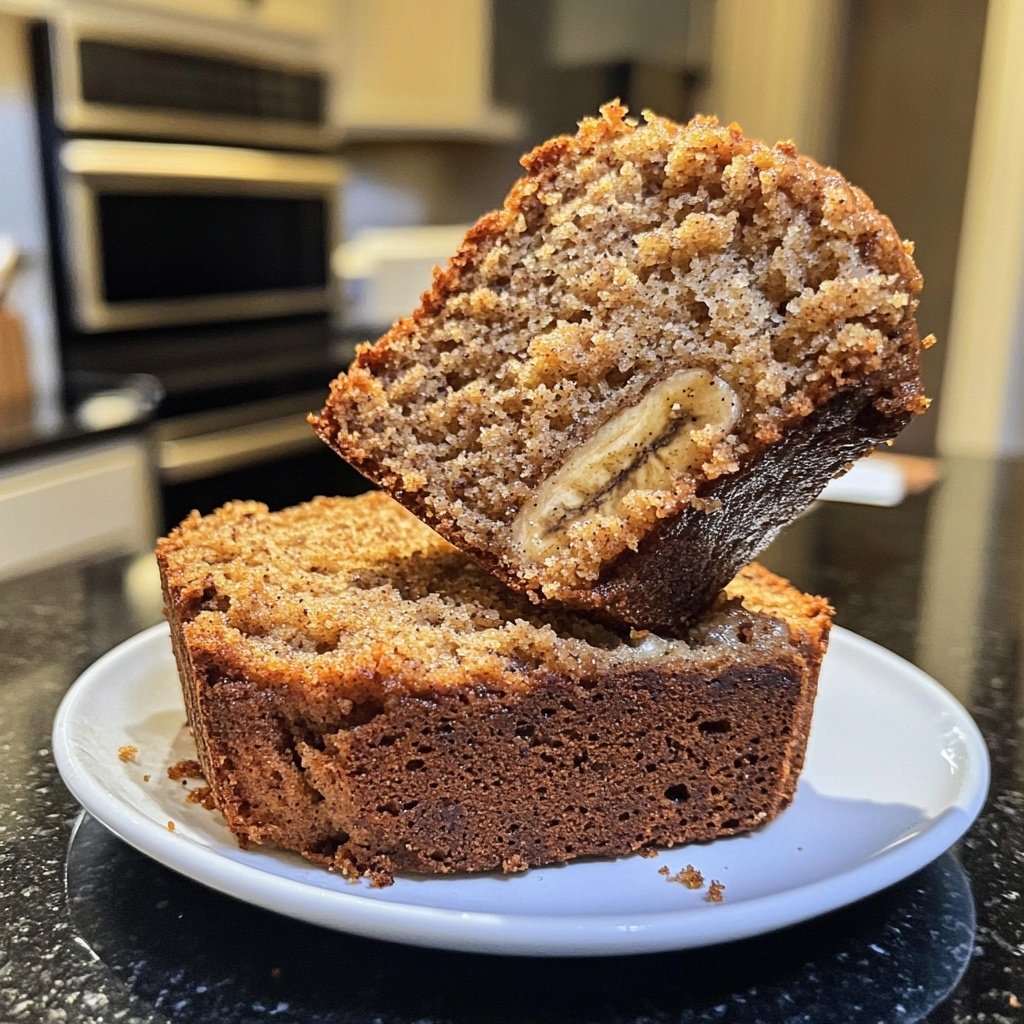
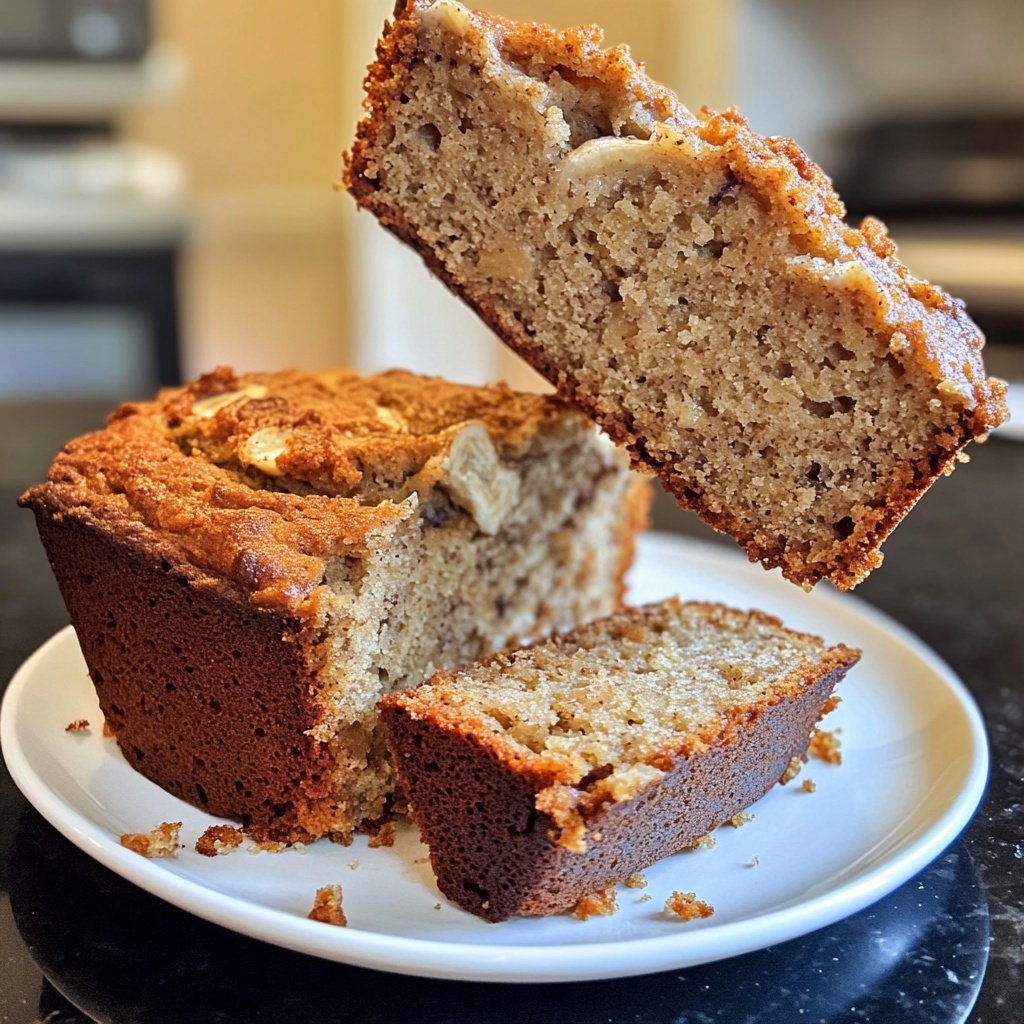
Storage, Freezing, and Make-Ahead Tips
This dairy-free banana bread stays pleasantly moist for several days if stored correctly, thanks to the bananas and oil-based fat. Once completely cool, wrap the loaf tightly in plastic wrap or store slices in an airtight container at room temperature for up to 3 days. If your kitchen is very warm or humid, refrigerate it instead; just allow slices to come to room temperature or warm them briefly in a low oven so the crumb softens again.
For longer storage, this recipe freezes particularly well. Slice the cooled loaf and place parchment squares between slices so they don’t stick, then wrap tightly and freeze in a zip-top bag for up to 3 months. Individual slices thaw in about 30–45 minutes at room temperature or can be warmed from frozen in a 300°F (150°C) oven for 10–12 minutes. I often toast frozen slices lightly; the edges crisp while the center stays soft and banana-rich.
If you want to work ahead, you can mix the dry ingredients (flour, leaveners, spices, and salt) and store them in a sealed jar for up to a week. When you’re ready to bake, mash the bananas, whisk in the wet ingredients, and quickly combine with the premixed dry base. This minimizes the time between mixing and baking, which helps the leavening work at full strength and ensures the loaf rises properly even when you’re short on time.
Serving Ideas and Flavor Pairings
The naturally rich, banana-forward flavor of this loaf makes it versatile across meals. For breakfast, serve thick slices slightly warmed, with a thin spread of almond butter or peanut butter to add protein and contrast the sweetness. Because the bread is dairy-free, it also pairs well with non-dairy yogurts; the tang from a coconut or almond-based yogurt balances the caramelized banana notes and turns a simple slice into a more filling morning option.
As an afternoon snack or dessert, this banana bread stands on its own but can easily be dressed up. A light dusting of powdered sugar emphasizes the crackly top crust without adding heavy frosting. For a more indulgent feel that keeps the recipe dairy-free, drizzle warm slices with a quick glaze made from powdered sugar and a splash of dairy-free milk or maple syrup. The glaze seeps into the top, creating a soft, slightly sticky layer above the tender crumb.
You can also use this loaf as a base for more creative desserts. Cubes of stale or day-old banana bread work beautifully in a dairy-free trifle, layered with coconut whipped cream and fresh berries. Slightly thicker slices make excellent French toast when soaked briefly in a plant-based milk and egg mixture; cook them over medium heat until golden on both sides. The bananas in the bread caramelize on the pan, creating a deeply flavored crust without needing butter.
Troubleshooting and Texture Adjustments
If your banana bread turns out dense or fails to rise, it’s often due to under-ripe bananas or expired leavening. Less-ripe bananas are firmer and less sweet, so they don’t integrate as smoothly into the batter, and they provide less acidity for the baking soda. Next time, choose softer, heavily speckled bananas and check that your baking powder and soda are fresh. Also ensure you’re not packing flour into the cup; a heavy-handed measure can weigh the batter down.
A gummy or underbaked center usually means the loaf came out of the oven too early or the pan was too small, creating a very thick batter layer. Use a standard 8.5×4.5 or 9×5-inch loaf pan and start checking for doneness near the end of the suggested baking window. Insert a toothpick into the very center, not just near the edges. If it emerges with wet batter, continue baking in 5–7 minute increments until only moist crumbs remain on the toothpick.
If the top cracks more than you like or the edges seem a bit dry, your oven may be running hot. A higher temperature sets the outer batter too quickly while the center is still expanding, forcing a pronounced split along the top. Use an oven thermometer to verify the actual temperature, and if needed, lower it by 10–15°F (about 5–10°C) next time. You can also lightly brush the warm crust with a neutral oil to soften any overly crisp edges.